Il est interdit d’interdire
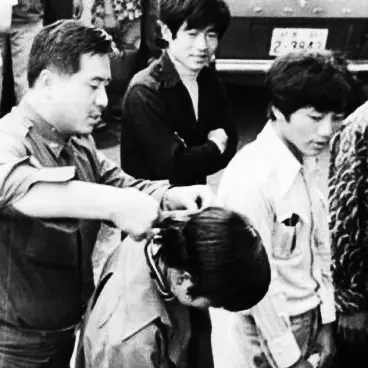
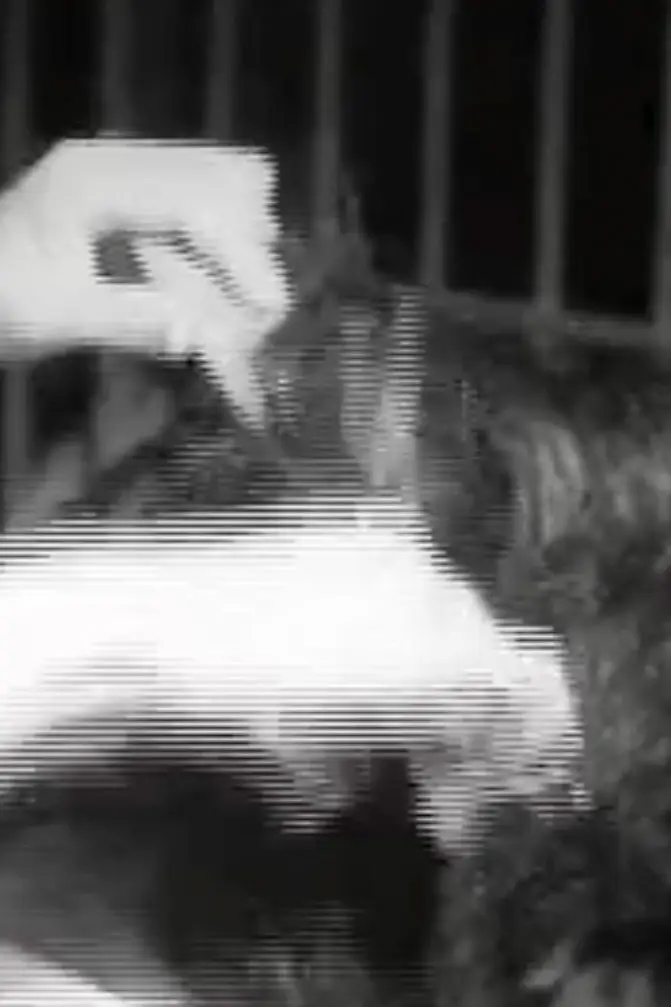
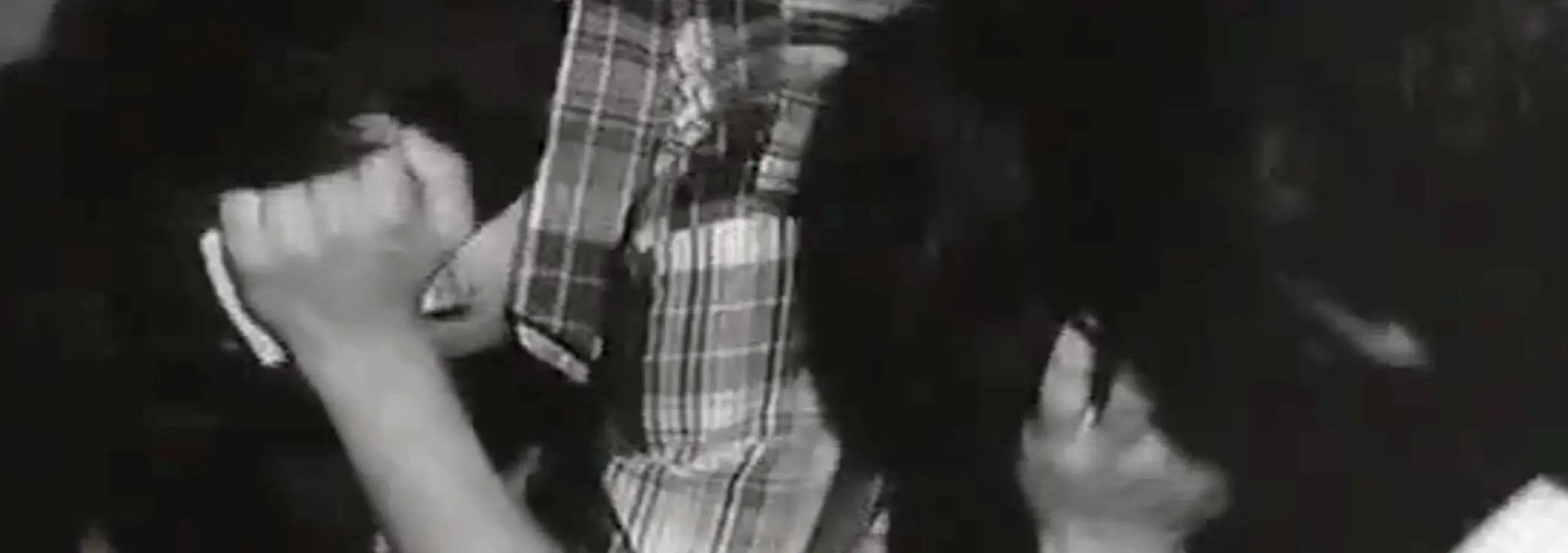
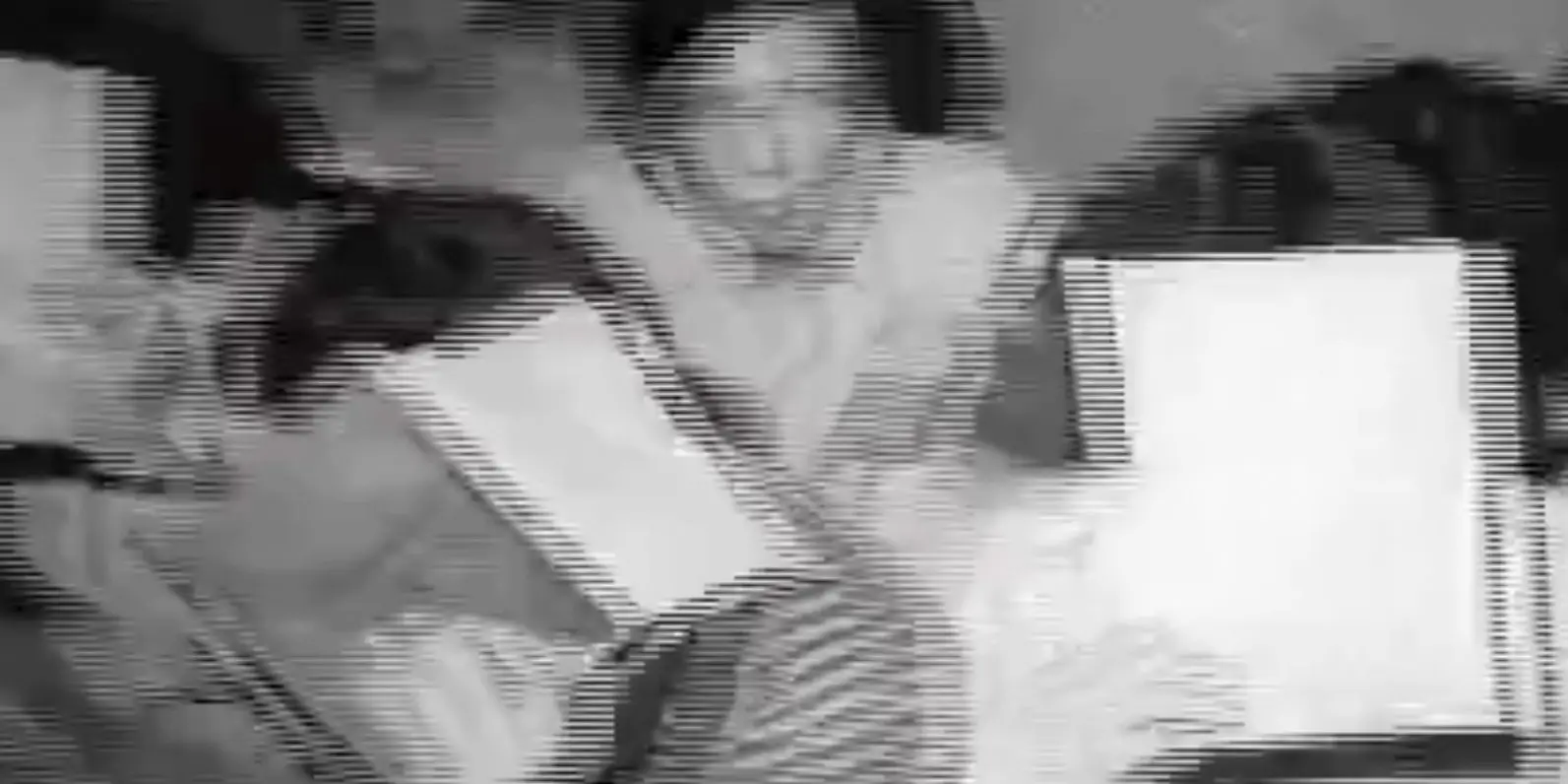
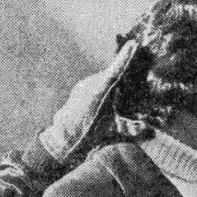
Crackdown on long hair. Young people who let their hair hang so long you can’t tell whether they are men or women. They may think it looks stylish, but long hair is unhygienic and unsightly. Growing it just because others do, and believing that scruffy look is fashionable, is a serious mistake. The police are cutting the hair of anyone whose hair falls below the ears or blurs their sex, and those who refuse are sent to summary trial. Not out of fear of the crackdown, but for the sake of your own hygiene and dignity, it is best to keep your hair neatly cut.
— Daehan News No. 1042, 1975
Long hair was a symbol of Western protest movements in the 1960s. The wave of May ’68 reached as far as South Korea, on the other side of the globe, where the Park Chung-hee regime branded it a decadent trend and policed people in the streets. While the streets of other countries seethed with revolution, the streets of Korea looked quiet on the surface. Perhaps the scissors worked.
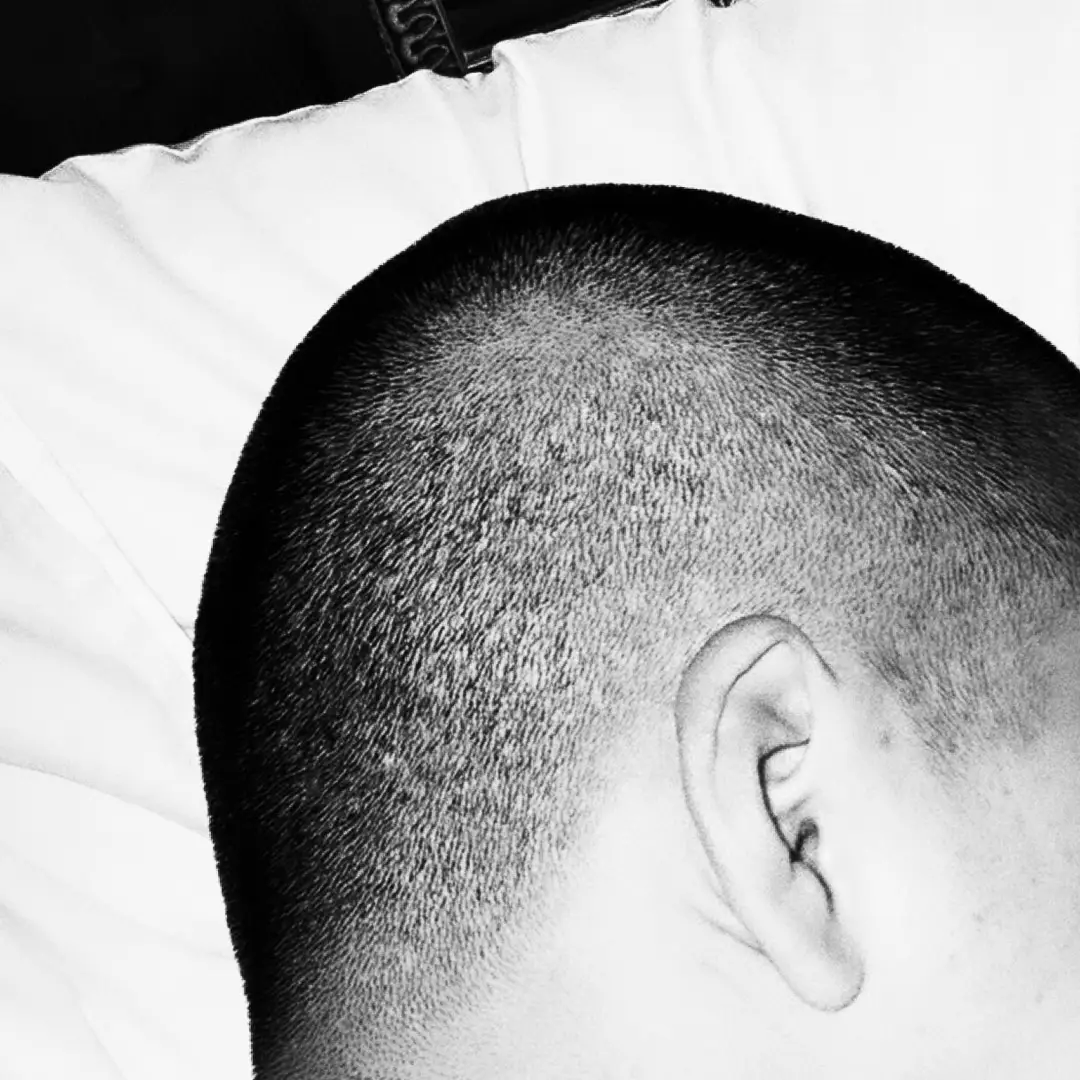
The crackdowns stopped after Park was assassinated, but the attitudes behind them linger. I have kept my hair long since my last year of high school. Thanks to the absurd privilege of being a senior facing the university entrance exam, neither my parents nor my teachers nagged me to cut it anymore. It was never a firm conviction, resistance or anything like that, just my own taste. On the street, people gave me strange looks, and in public toilets some would click their tongues and swear at me. Holding my long ponytail in my hand the day before I was conscripted, standing in line on the parade ground where everyone had the same haircut: the strange feeling of those days is still with me.
Korean has a word, han. Hard to translate into other languages, it names a subtle feeling in which anger and sorrow are tangled together, and I believe it was shaped by Korean culture: a culture in which “different” means “wrong,” and “society” matters more than “the individual.” Words and feelings that have lost their destination, knotted together inside. That is han.
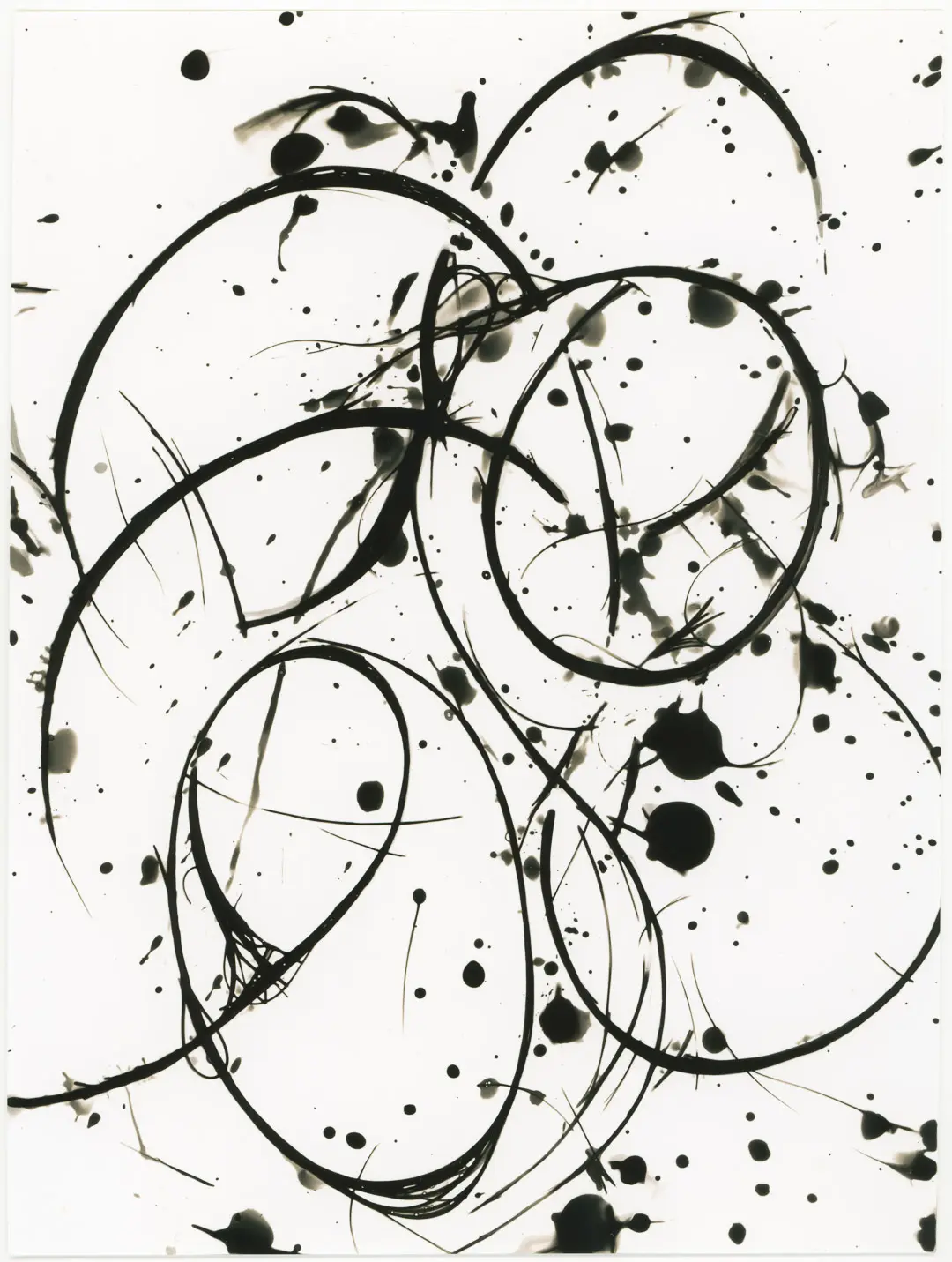
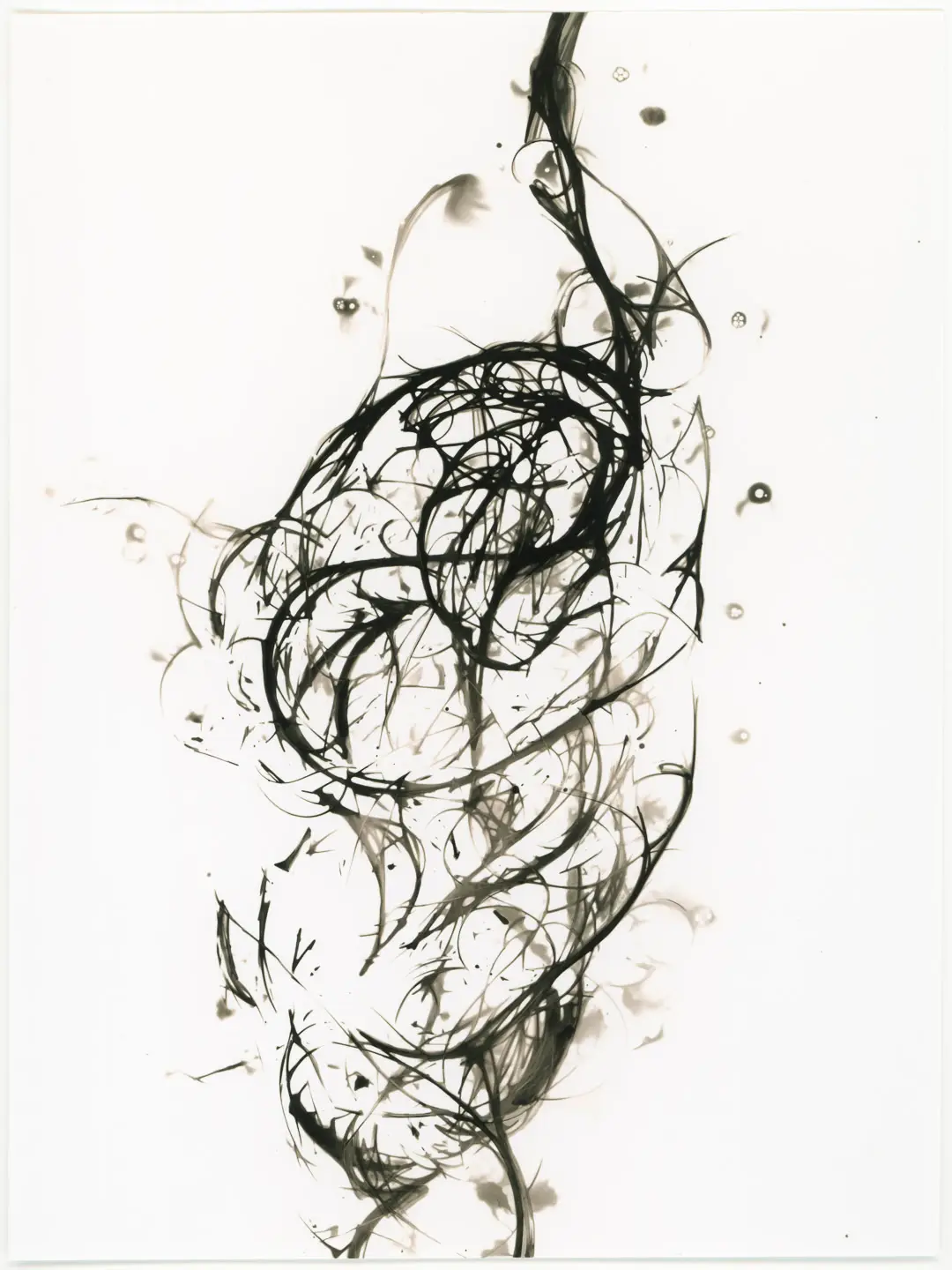
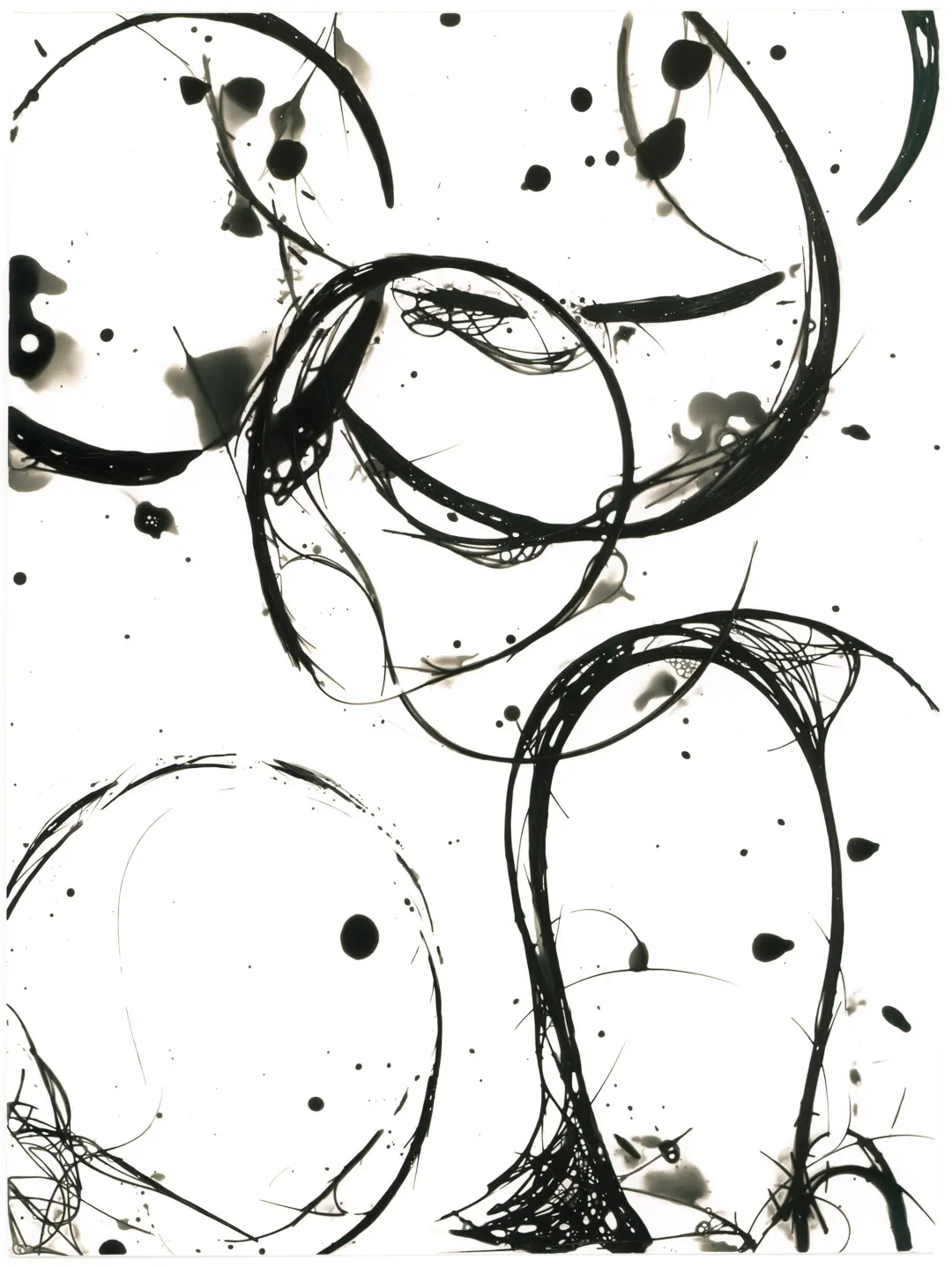
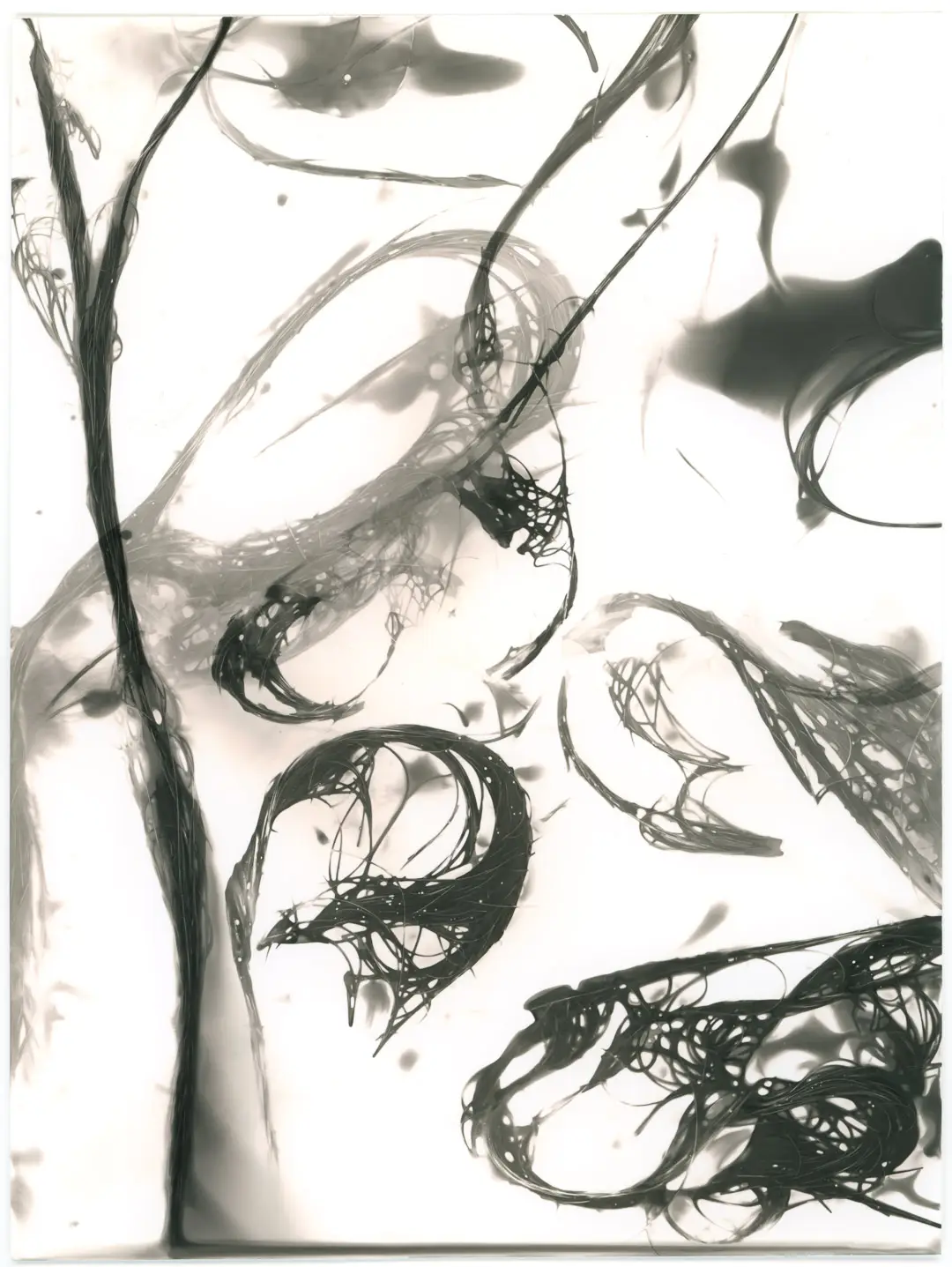
Every time I cut my hair, I kept the long strands. I soaked them in developer and laid them on photographic paper. Where the hair lay, black lines remained like wounds, and the developer that dripped from it left marks like drops of blood. In this country, where there is no word for han, I wanted to give the word an image, and hoped that people might feel it through that image. I also searched the National Archives of Korea and dug up photographs and documents of the long-hair crackdowns. To us, this is the past. To someone, it may be the future. And of course, that someone could be us.
We rose up against power, opposed censorship, and pursued freedom. Il est interdit d’interdire: it is forbidden to forbid. Nearly sixty years later, this forbidding has taken root in our society in another form. The gaze that clicked its tongue in the public toilet now moves across borders from behind screens, and turning difference into wrongness no longer needs the police. The one difference is that the scissors are no longer in the hands of those in power, but in everyone’s hands. In our own.